
Where to Stay in Puerto Rico
Where you stay in Puerto Rico can shape the feel of your trip more than the actual travel time. Since many of the island’s main attractions are relatively close to each other, choosing the right area is mostly about the atmosphere and experience you want.
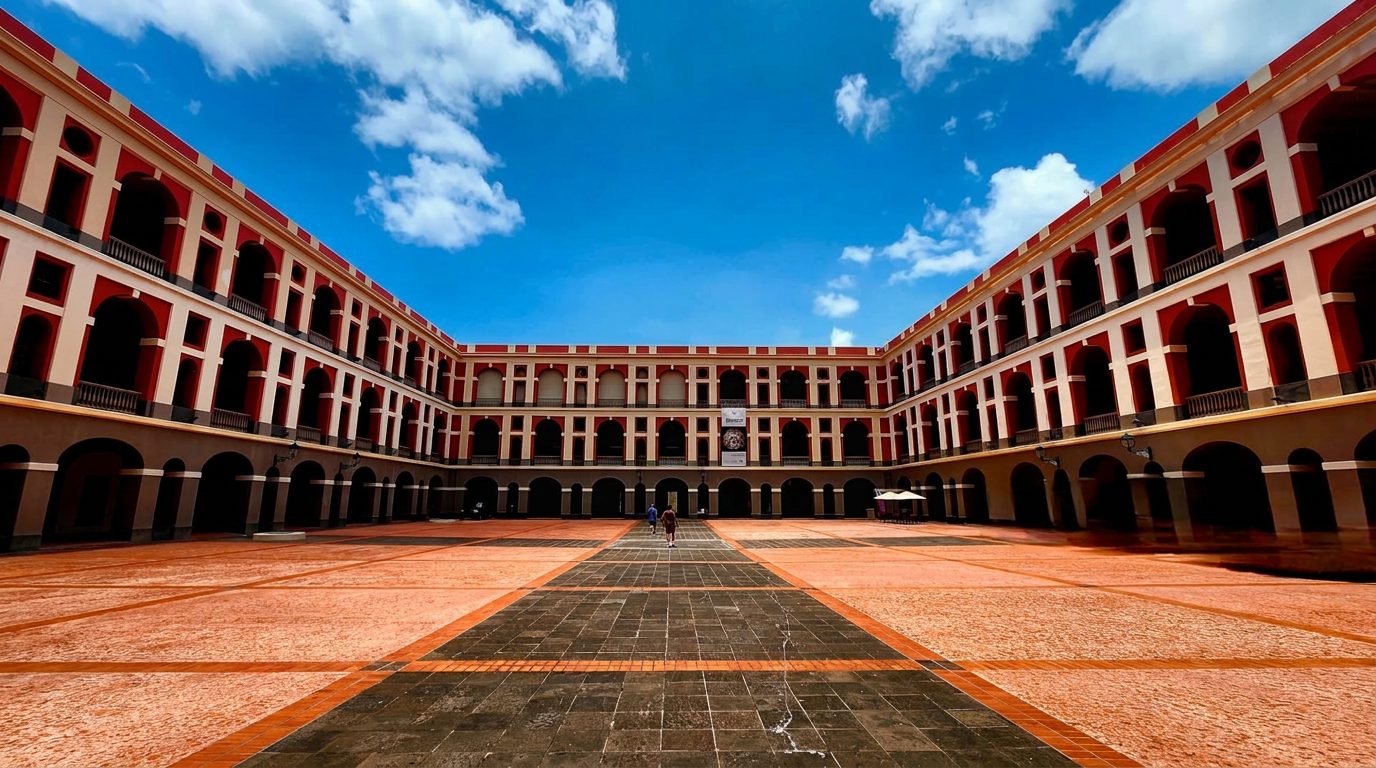
Old San Juan — history, walkability, restored colonial buildings
Staying inside the historic district means most of your day happens on foot. Restored colonial buildings, plazas, restaurants, cafés and the forts are all within walking distance of each other, and the neighborhood keeps changing character through the day, from quiet early mornings to lively evenings once the streets fill again.
The tradeoffs are practical ones. Streets are narrow and paved with uneven stone, parking is limited and often expensive, and cruise ship days can make the busiest blocks feel crowded. Travelers whose main priority is easy beach access may prefer another area, since reaching the better-known beaches from here generally means arranging transportation.
Condado and Isla Verde — beachfront hotels close to the capital
Condado feels like a city neighborhood that happens to sit on the water. Hotels, restaurants, shops and the beach are close together, so you can walk to dinner and be back at the sand in minutes. It tends to suit travelers who want beach time without giving up an urban setting, and it keeps you close to Old San Juan and the rest of the metro area.
Isla Verde leans more resort and beach oriented, with a wide stretch of sand, larger beachfront properties and a more relaxed rhythm. It also sits close to Luis Muñoz Marín International Airport, which makes arrivals and departures simple, though it is less of a walkable neighborhood than Condado. Neither area is a rigid choice; both work well as a base for exploring San Juan.
East coast — resorts near El Yunque and access toward Vieques and Culebra
Basing yourself around Río Grande, Luquillo or Fajardo puts you near El Yunque, the eastern beaches and the marinas used for boat trips and snorkeling. Río Grande is the closest option to the rainforest, Luquillo is known for its long beach and roadside food kiosks, and Fajardo is the center for on-the-water activities.
One detail worth planning around: passenger ferry service to Vieques and Culebra operates from the terminal in Ceiba, not from Fajardo itself, so allow time to reach the correct terminal. Public transportation is limited on this side of the island, so many visitors find a rental car or arranged transportation makes the area easier to enjoy, depending on how much they plan to move around.
West coast — surf towns and a slower pace
Rincón, Aguadilla, and Isabela offer a mix of guesthouses, surf hostels, and small hotels, many with easy access to the beaches or views from the hillsides above the coast. Life moves at a slower pace here, with relaxed days, quieter evenings, and beautiful sunsets that often make visitors want to stay a little longer.
The west coast is about two and a half hours from San Juan, so it works best as a multi-night stay rather than a base for exploring the entire island. Winter brings bigger surf and whale-watching opportunities, while the calmer summer waters are ideal for swimming and enjoying the beaches.
Central Mountain Range—Where Puerto Rico's Coffee Culture Begins
The mountain towns of Utuado, Jayuya, and Adjuntas offer a quieter side of Puerto Rico, with paradores and rural inns surrounded by coffee farms, lush valleys, and mountain scenery. Nights tend to be cooler, the pace is slower, and the long views across the countryside make this one of the most peaceful places to stay on the island.
Keep in mind that mountain roads can be narrow and winding, and dining options and other services may be limited after dark. It’s a good idea to arrive while there is still daylight and bring any essentials you may need. Even one or two nights in the mountains can add a completely different feel to a trip focused mostly on the coast.
Vieques and Culebra — island stays
Sleeping on Vieques or Culebra is a different kind of trip rather than a convenient base for seeing the main island. Getting there means a passenger ferry from Ceiba or a short flight, and once you arrive you are working with island logistics: fewer roads, smaller towns, and local transportation or a rented vehicle to reach the beaches.
What you get in return is the atmosphere. Evenings are quiet, the beaches feel unhurried outside of day-trip hours, and you can settle into the pace instead of watching the clock for a return trip. Travelers who mainly want to combine San Juan, El Yunque and the east coast usually keep these islands as a day outing; those drawn to the islands themselves are the ones who benefit most from staying overnight.
Explore Puerto Rico with OnPoint Tours.
ALL GUIDES